How to Handle Slippage of Tensile Testing Machine Grips
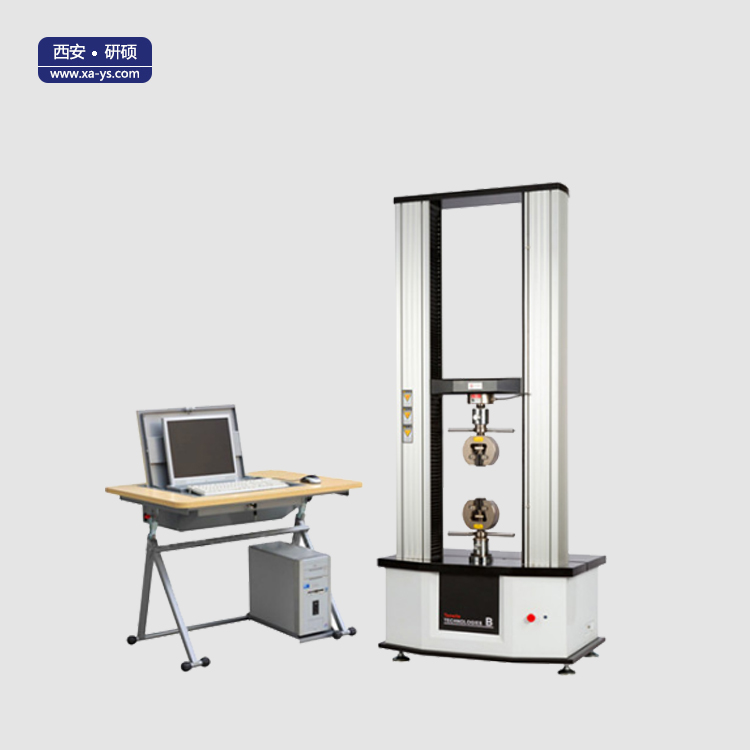
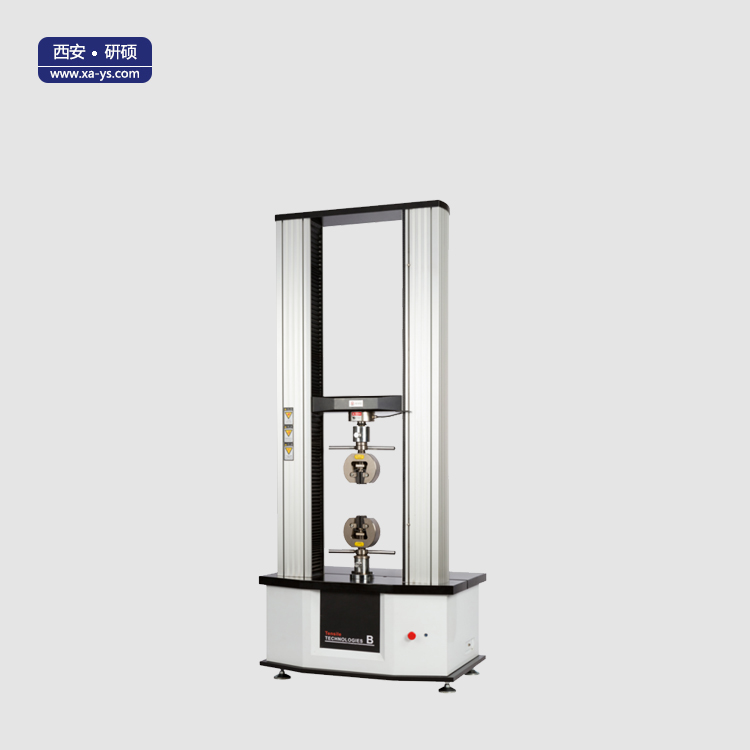
In the field of material testing, tensile testing machines are very commonly used. Whether for material development or performance qualification, electronic tensile testing machines are essential for testing. These machines can perform mechanical property tests on various materials, such as tensile, bending, compression, shear, and tear tests. Various issues may arise during sample testing, one of which is grip slippage. So, what causes the grips of a tensile testing machine to slip? And how can slippage of the test specimen be addressed? Here is an introduction from Hongtuo Editor:
I. Analysis of Causes of Specimen Slippage in Tensile Testing Machines
1. Insufficient Specimen Clamping Length
The correct clamping method for tensile testing machine grips is as follows: when the clamping length of the specimen equals the length of the grip's toothed surface, an initial friction force is generated on the clamping surface with the help of an external force to push the jaws. Then, as the crosshead of the electronic tensile testing machine moves, the specimen is loaded. The friction force pulls the jaws. Due to the inclined surface, the greater the axial tensile force, the greater the clamping force. The wedge-shaped openings on the two inclined surfaces of the grip body are precisely designed based on this clamping principle to withstand uniform compressive stress.
If the operator does not clamp the specimen correctly as required—such as having a clamping length that is too short or if the specimen itself is too short—the stress on the wedge-shaped inclined surfaces becomes uneven, leading to slippage.
2. Improper Selection of Grip Jaws
Using large-specification jaws to clamp a small cross-section specimen, or using flat jaws to clamp a large specimen, results in an insecure contact between the grip and the specimen, which can also easily cause slippage.
II. Solutions for Specimen Slippage in Tensile Testing Machines
1. Standardize Operating Procedures
To address insufficient clamping length and improper jaw selection, the operating procedures for electronic tensile testing machines must specify: "The clamping length of the tensile specimen shall not be less than the length of the grip's toothed surface" and "Do not use large-section jaws to clamp small-section specimens or use flat jaws to clamp large specimens." Operators must follow the procedures strictly during testing.
2. Repair the Wedge-Shaped Inclined Surfaces
If the wedge blocks have undergone plastic deformation, significant outward flaring, or if the wedge-shaped inclined surfaces have collapsed or worn out, timely repair is required. Common repair methods include:
a. Inlay: Remove 10 mm of material from the wedge-shaped inclined surface using a slotting machine, based on the original design angle, and then inlay a polished, hardened steel plate in that area. This method slightly reduces the design strength of the grip body but offers good long-term results.
b. Build-up Welding: Fill the collapsed or worn areas of the wedge-shaped inclined surface by build-up welding, then restore the original shape using a slotting machine. The hardness and strength of the welded area may be somewhat increased. Proper use of the grip afterward should be ensured.
c. Add Anti-Fall Devices: To prevent scale from metal specimens from falling onto the wedge-shaped inclined surfaces during tensile testing, install two rubber blocks above the wedges. This effectively reduces scale accumulation on the inclined surfaces. Additionally, apply grease or lubricating grease to the wedge-shaped inclined surfaces, and regularly clean and re-lubricate the grips.
The above provides relevant techniques for handling grip slippage in tensile testing machines. When purchasing a tensile testing machine from Xi'an Yanshuo Instrument, dedicated after-sales service is provided to ensure smoother testing and greater user satisfaction.